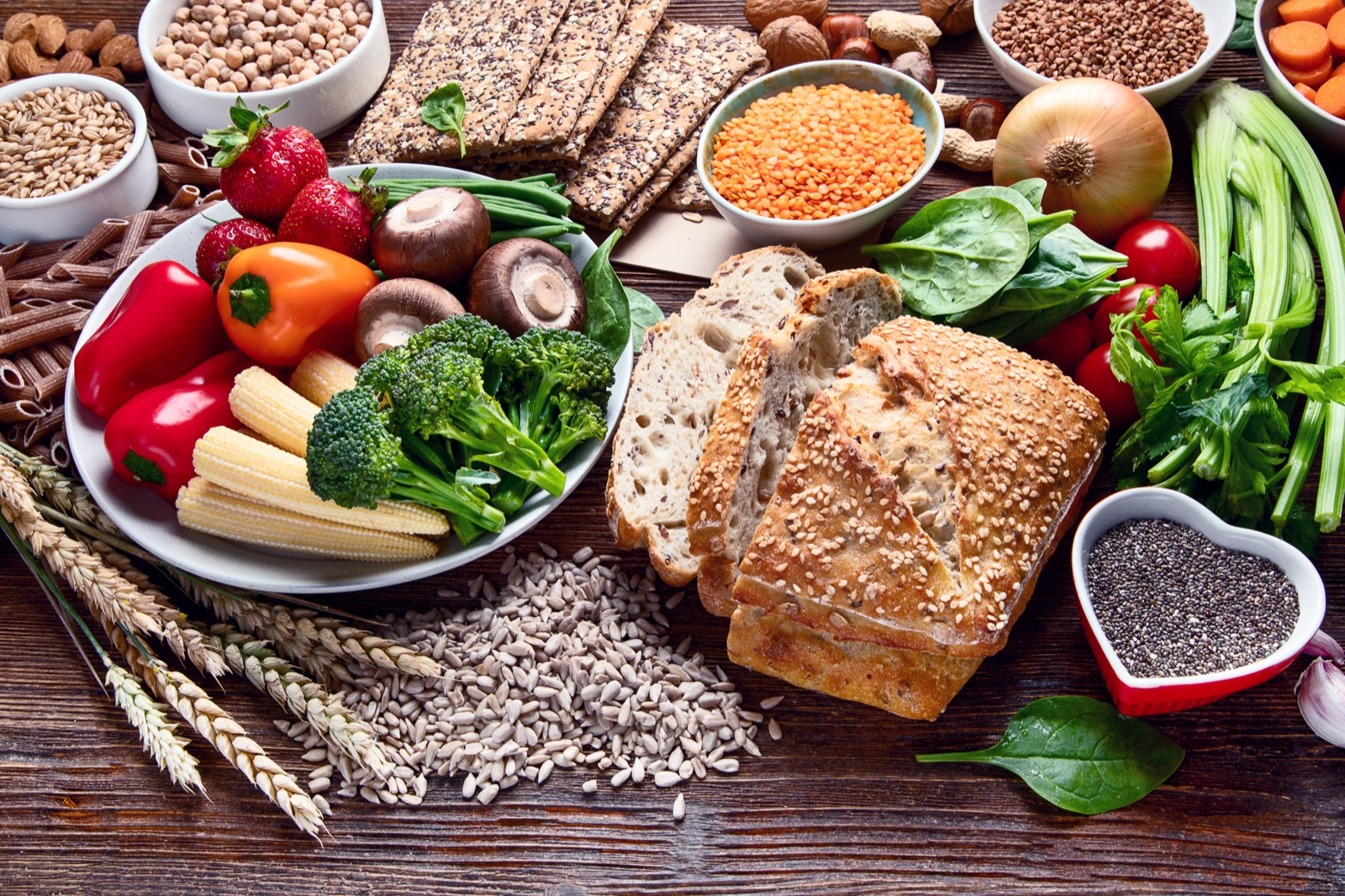
Nearly all Canadian men skip fibre. We’re talking 97% falling short.
The Gap Nobody Mentions
You probably think you’re eating fine, you have vegetables, maybe some whole wheat bread. But unless you’re deliberately loading your plate with beans, seeds, and whole grains, you’re getting half the fibre you need. Men 50 and older need 30 grams. Most Canadian men are averaging around 14 grams. Women face the same shortfall. They need 25 grams.
Fibre For Complete Health
Fibre sounded boring for years. Doctors mentioned it for regularity. Fibre isn’t just for regularity. It reshapes your weight, blood sugar, heart health, gut bacteria, and disease risk. A huge 2024 study found that more fibre is linked to a lower risk of heart disease, diabetes, colon cancer, and early death. Fibre protects your health.
How Fibre Works
Think of your gut bacteria as workers in a factory. They need food to do their job. Fibre is food for gut bacteria. When fibre reaches your colon, bacteria break it down and make helpful compounds. These compounds do improve your health. They steady your blood sugar, improve cholesterol levels, reduce inflammation, and signal your brain that you’re full. Without enough fibre, those workers sit idle, and your risk of disease climbs.
Food Swaps That Work
You don’t need to change everything tonight. Small swaps add up quickly.
Breakfast: Swap white toast for whole grain bread (3–5g fibre per slice). Swap cereal for steel-cut oats (8g per serving). One bowl, doubled fibre.
Lunch: Swap white rice for brown rice (3.5g per cup). Swap processed lunch meat for beans — chickpeas or black beans. They’ve got 5+ grams per serving.
Snacks: Swap chips for almonds (3.5g per ounce) or a pear (5.5g). An apple with almond butter hits 7–8g total.
Dinner: Add half a cup of cooked lentils to your pasta, stew or rice. That’s 4 grams. Add frozen broccoli (4g per cup). Your plate is suddenly fibre-rich.
The Number One Mistake
Don’t jump from 14 grams to 38 overnight. Big jumps in fibre can trigger bloating, gas, and cramping. And, when you increase fibre, increase water too. Your gut bacteria need time to adjust. Add fibre slowly, about 3–5 grams every few days. And drink more water. A simple rule: one litre of water per 10 grams of fibre. So if you’re aiming for 38 grams, that’s roughly 3.8 litres daily, spread through the day. Your stomach will settle. The gas passes. Within two weeks, your gut adjusts. After that, it feels great.
Building Your Fibre Goal
Build steadily over weeks.
Week one: Add one whole grain swap. Add one extra vegetable. That might be +3 grams daily.
Week two: Add a bean-based lunch or dinner. +5 grams.
Week three: Introduce seeds or another high-fibre snack. +3 grams.
By week four, you’re at 25 grams. Keep climbing gradually until you hit 38.
The Real Payoff
Men who hit their fibre targets report sharper thinking, steadier energy, less bloating, and easier weight management. Your gut bacteria reshape themselves. Your blood sugar steadies. Your cholesterol improves. Diseases you’ve worried about, like heart disease, diabetes, and colon cancer, their risk drops. Not because fibre is magic, but because fibre does what your modern diet stopped doing. It feeds the system that keeps you alive.
Start Tomorrow
Pick one swap. Just one. White bread to whole grain. Or white rice to brown rice. Or add berries to breakfast. One small change builds. Your gut bacteria multiply. Your energy steadies. Ninety-seven percent of men are roughaging around with their health. You don’t have to be one of them. Get your roughage.