Eat like a child
Intuitive eating is about following your gut when it comes to eating, essentially eating like a child. Rather than relying on diet advice, diet plans, or diet apps, you eat what, when, and how much your gut tells you to eat.
Not Another Weight Loss Trick
It isn’t a weight loss program. If you’re looking for a way to shrink yourself, look elsewhere. Your body has a strong drive to keep weight on, not necessarily to gain, but it fights against losing weight. This way of eating, known as intuitive eating, is about developing a healthy relationship with food and maintaining a stable weight, rather than trying to fit into your high school jeans.
Check With Your Doc First
If you have diabetes or need to time your eating with medication. The same goes if you’re dealing with an eating disorder. Get yourself stable first. And if you have celiac disease or severe food allergies, you have to avoid certain foods no matter what. It isn’t about throwing caution to the wind. It’s about learning to trust your body when it’s safe to do so.
Emotional Connections with Food
Many of us also have an unhealthy relationship with food. Years of diets, food bans and scary food advice have left emotional scars on our eating patterns. And we also often dump our emotions into our eating. This can make unleashing the food dragons dangerous. We need to look honestly at our emotional state and its relationship to food. We may realize we are not ready for this much food freedom.
Your Body Doesn’t Need a Ringmaster
You were born with a functional eating system. Somewhere along the way, the diet circus rolled into town and convinced you to trade your internal wisdom for a ringmaster’s whip. Even though we all know that diets fail 95% of the time.
Before the Food Police Showed Up
When you were a kid, you ate when you were hungry. You stopped when you were full. Some days, that was three bites of a sandwich. On other days, it was the entire bowl of fruit. And guess what? Your body sorted it out. Babies cry when they’re hungry and turn away when they’re done. That wiring never left you! It just got drowned out by well-meaning diet gurus. Before you knew it, you’d lost touch with the one expert who actually knows what your body needs: you!
Your Body Sends Up Flares
Your hunger isn’t your enemy. It’s not trying to sabotage your jeans size. It’s your body’s polite way of saying, “Hey, we need fuel over here!” Your body sends up a flare: stomach rumbling, energy dipping, maybe a little cranky. That’s your cue to eat. Not at noon because the clock says so. Not because everyone else is having lunch. But because your body is asking for food.
The “I’m Good” Signal
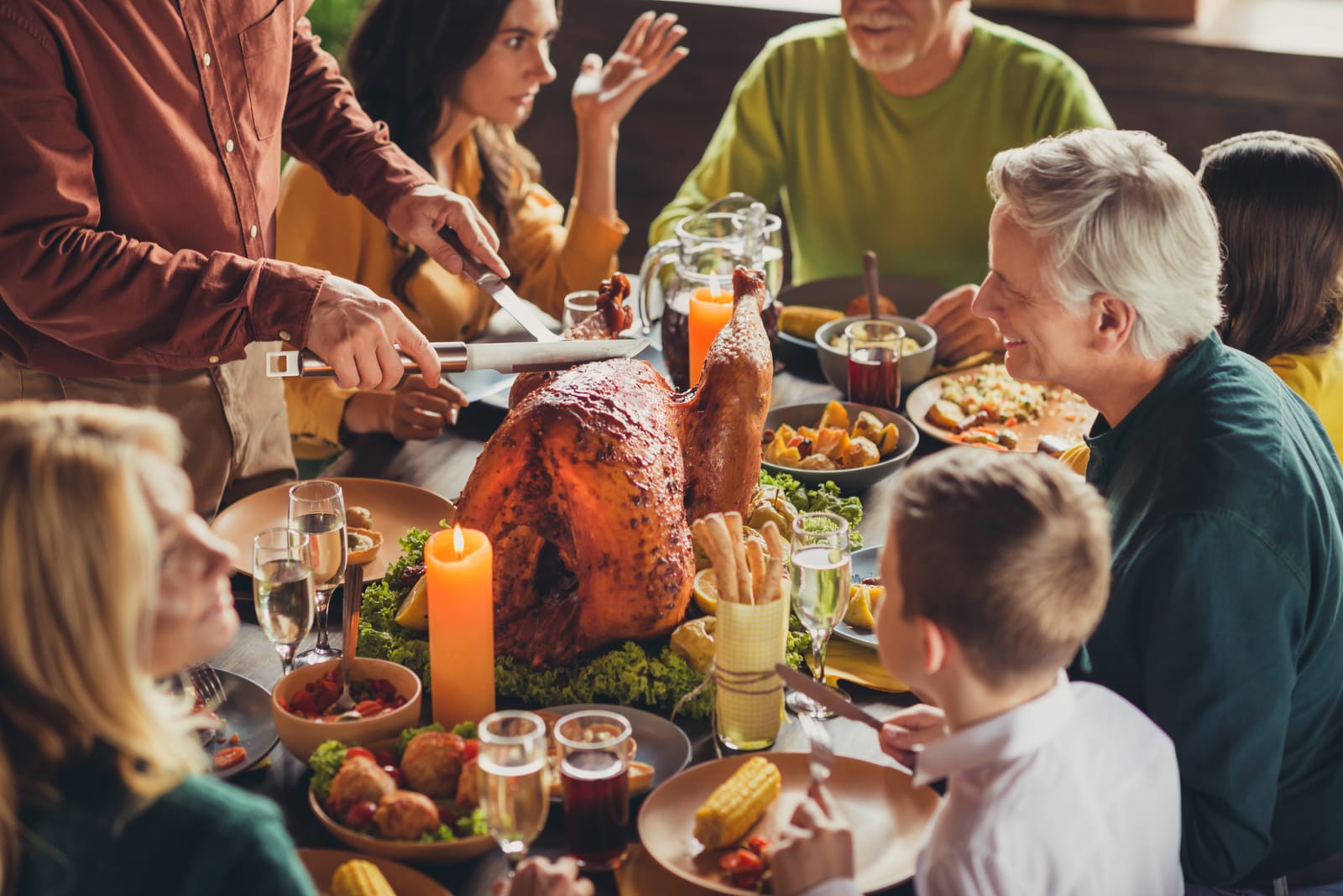
The same system tells you when to stop. Not when the plate is clean. Not when the bag is empty. But when your body says, “I’m good.” It’s that comfortable, satisfied feeling---not stuffed like a Thanksgiving turkey, just contentedly satisfied. Stuffed is for teddy bears, not tummies. Years of bad eating habits have made stampeding past this signal too common. Many cultures teach their children to stop eating when they are 75% full.
Cravings Are Messages
And those cravings you’ve been fighting aren’t character flaws. They’re your body’s way of saying, “I need something.” Maybe it’s energy. Maybe it’s comfort. Maybe it’s actual nutrition. But you’ll never know if you keep drowning out your body’s messages with diet advice. Eating rice cakes when you want chips doesn’t solve anything. You’ll eat the rice cakes, and still want the chips, and end up eating the chips anyway. But when you eat what actually sounds good, when you sit down and enjoy it without the side of guilt, you need less of it.
Birthday Cake Isn’t About Vitamins
Sometimes you eat because you’re sad. Or stressed, or bored. Or celebrating. Food has been part of human emotion since we began gathering around fires. Birthday cake isn’t about nutrition. Your grandmother’s soup when you’re sick isn’t just about the vitamins. Food is social and emotional.
When Food Becomes Your Only Tool
The problem is when food becomes your primary emotional tool. When you’re eating to stuff down and ignore feelings instead of feeling them. When you’re using food to solve problems that food can’t solve. Before raiding the fridge, name what you’re feeling. Name it and then answer that feeling directly: call a friend, take a walk, dance like nobody’s watching. Food fixes physical hunger. Connection fixes the rest.
When Vegetables Aren’t Mandatory
When you stop obsessing about eating healthy, you might actually eat better. What if vegetables aren’t punishment, but actually make you feel good? What if whole grains aren’t signs of virtue, but instead you discover they taste good and keep you satisfied longer? Your body wants variety. It wants nutrients. It wants to feel good. But it can only tell you what it needs when you stop drowning it out with diet rules.
Food Options
For this to really work, you should stock your house with real food. Highly processed foods are meant to hijack your normal eating habits. High salt, fat and sugar content, often together in one product, bypass the normal signals. If you stock your shelves with fruits, vegetables, meats, nuts and dairy, intuitive eating has a chance of working.
Remember When Running Was Fun?
And remember when you ran because you felt like running? You danced because music made your body want to move. Exercise doesn’t have to be punishment. Your body actually wants to move. It feels good to stretch, to walk, to swim, to dance. But not when it’s punishment. Not when it’s payment for food. When you divorce movement from weight loss, you might actually like it.
You Don’t Need Mirror Affirmations
You don’t have to love your body, but you do have to respect it. This is the only body you get. It’s carried you through every day of your life. It deserves dignity. Respect means feeding it when it’s hungry, resting when it’s tired. Respect means moving it in ways that feel good. Respect means not punishing it for not looking like someone else’s body.
It Runs Without Your Input
Your body has kept your heart beating without your input. It’s grown your hair, healed your cuts, and fought off countless germs. It knows how to regulate your temperature, your blood pressure, and your breathing. The wisdom is there. Your hunger signals still work. Your fullness cues are still functioning. Your cravings still carry information. You just have to get quiet enough to listen. Something that will be hard for many of us.
This Won’t Happen Overnight
It doesn’t happen overnight. You didn’t lose touch with your hunger and full signals overnight, and you won’t find them again overnight. It takes time to rebuild trust in your body. Time to learn its signals again. Time to believe that you can actually be trusted around food. Some days you’ll overeat. Some days you’ll undereat. Some days you’ll eat nothing but snacks. Some days you’ll crave salads. Every experience teaches you something about what your body needs.
People Will Have Opinions
People will have opinions. Your friend touts her new cleanse. Your cousin counts macros at Thanksgiving. Your coworker comments on your lunch choices. You’ll be swimming against the current in a diet-obsessed culture. But here’s the thing: How’s swimming with the current working out for everyone?
Tune in, Turn on, and Drop Guilt
If you can listen to your body signals, try eating like a kid. It may take some time to adjust. It may take a few weeks to start hearing the whispers of your body, but when you do, you will have a new freedom and a much healthier relationship to food.