Keep Your Filters Clean
Your body has two organs that filter and remove toxins: the kidneys and the liver. The liver breaks apart complex toxins, which the kidneys clear out. The kidneys also clear out waste products from the muscles and clear out extra salts and water.
Garbage In
Waste products and toxins get into your blood in several ways. Food can contain damaging compounds. We also absorb harmful chemicals through our skin. Finally, we can breathe in pollutants. Be aware of anything you put into your body as food, put on your skin, or breathe in.
Waste Management
Your body also produces its own waste items. Processing food, especially proteins, creates waste products. Also, when your muscles work, they use chemical energy, which creates a waste product the kidneys have to filter from the blood.
Kidneys Manage Levels
Blood circulates everything the body needs to survive. It is a massive delivery and pickup system. Blood is highly complex, with thousands of compounds in circulation at any time. The kidneys regulate the levels of many chemicals in our blood. They also manage the blood’s acidity and control the body’s fluid level.
Liver
The liver also has a filter function in addition to processing nutrients and managing major digestion processes. After the blood has picked up nutrients and other compounds from digestion, they head to the liver. The liver gets the sugar, proteins, fats, and other nutrients before the rest of the body. The liver is like a factory that converts raw food materials into forms the body can use. The liver is the first stop for most nutrients.
Liver processes alcohol
The liver also takes drugs that we swallow and often converts them to a different form or breaks them down into various parts. For example, when we drink alcohol, it passes through the liver before other parts of the body. The liver breaks down alcohol but can only work so fast, about 1 drink an hour. If we drink at a faster rate, the alcohol level in our blood increases until the liver can catch up. This alcohol left in the blood hits the brain, causing drunkenness until the liver filters it out.
Filter maintenance
Foods
Fresh foods
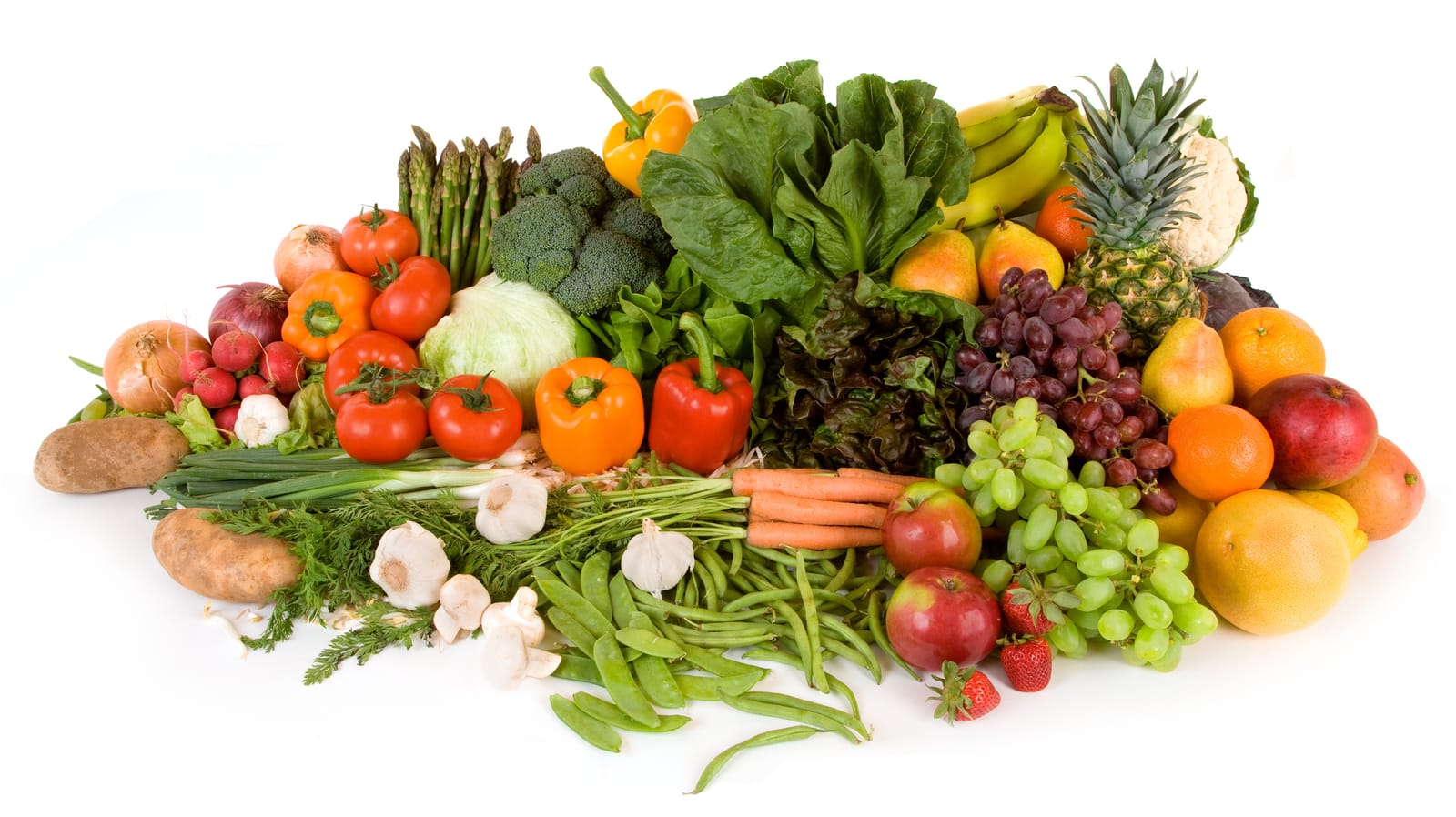
The first step to maintaining healthy filter function in the liver and kidneys is to load up your diet with fresh fruits and vegetables, whole grains, and fresh meat. Foods high in sugar or processed carbs are hard on the liver. Processed carbs contain white flour or foods stripped of nutrients like white rice.
Sugar
Sugar is hard on the liver and tends to cause liver disease. Limiting sugar reduces the risk of liver disease. In addition to being hard on the liver, sugar is toxic for the kidneys. High blood sugar levels strain the kidneys and eventually damage them. Diabetes is one of the leading causes of kidney damage. It’s like putting bad gas in your car. Over time, bad gas will damage your car.
Fats
Healthy fats like the fat in olive oil, avocado oil, and canola oil help keep the kidneys and liver healthy. See the article on vegetable oils in this issue. Nuts like peanuts, cashews, almonds, and pecans reduce the risk of liver disease. Avocados are a great source of healthy fats. See Spring 2023 Panacea for more on avocados.
Phosphorus
Phosphorus is a mineral found in many foods. Poultry, pork, beef, fish, and even tofu all contain a lot of phosphorus. Yogurt, milk, and cheese also contain significant amounts of phosphorus. Some nuts and seeds have a lot of phosphorus. Pumpkin, sesame, sunflower seeds, almonds, and cashews have the highest levels for nuts and seeds, with macadamia nuts and pecans having the lowest levels. Phosphorus is an essential mineral, but in large amounts, it can interfere with kidney function. Kidneys manage the phosphorus balance. High phosphorus levels are one of the first signs of kidney disease.
Foods with added phosphates
Some foods have added phosphates, often as a preservative. Dark soft drinks, chocolate drinks, and candy are high in phosphates, as are many packaged foods, processed meats, and pizzas. This is another good reason to avoid processed foods. A lot of dairy has added phosphates to help with stability. Plant phosphates are better than animal phosphates, which are better than artificial phosphates.
Binding up phosphorus
One way to manage excess phosphorus is to take something that will bind with it and pull it out of the body. For many years, Tums was used as a phosphorus binder. It helps expel it as solid waste instead of going through the kidneys, but it doesn’t have a big effect. Niacin has also been used to bind to the phosphorus and flush it out, but Niacin has some side effects.
Drink Water
The kidneys need water to function. When we are dehydrated, the kidneys are under extra stress. The kidneys use water to dissolve and flush out salt and other waste materials. When you are low on water, the kidneys work harder to filter toxins. If your pee isn’t light yellow, you may need to drink more.
Avoid too much weight
Carrying too much weight is harmful to the liver. In addition to healthy eating, regular exercise helps both organs. Improved circulation and the many other benefits of exercise directly improve kidney and liver health.
Limit toxins
Limit alcohol
Alcohol is a liver toxin. Too much can lead to a scarred liver, usually called liver cirrhosis.
Quit smoking
Smoking is particularly harmful to the kidneys.
Drug toxins
Liver
Many drugs, especially pain relievers, are liver toxins. Tylenol, for example, can cause liver damage. Tylenol is converted to a toxic byproduct in the liver. In small doses, the liver clears out this toxin. When too much Tylenol is taken, it can overwhelm the toxin removal system. Never exceed 6 extra-strength Tylenol in 24 hours. Excess doses can cause liver damage.
Kidney
Kidneys are susceptible to damage from long-term use of NSAID pain relievers like Ibuprofen, Advil, Motrin, and others. These drugs can reduce blood flow to the kidneys, causing high blood pressure, which can stress the kidneys. Over time, excess use of NSAID painkillers may cause kidney damage. Anyone with depleted kidney function should avoid these altogether.
Other toxins
Many cleaning products and household products contain harmful chemicals. Bug spray or paint can have toxic chemicals. Be sure to read the label and use protective gear if needed. That may mean wearing rubber gloves, chemical-resistant gloves, or a high-end face mask filter.
Herbs
Some exotic herbs can be hard on the kidneys, but the largest danger from herbs is herbs that are not properly tested. Herbs from poor-quality sources can contain heavy metals or pesticides. Avoid off-brand herbs from an untrusted source.
Heavy Metals
Lead
Heavy metals can cause liver and kidney damage. Lead is a well-known poison. Although pencils contain no lead, lead is present in many other products, particularly older ones. House paints from before 1980 can contain lead, so be careful scraping old paint. Some jewelry and even older children’s toys contain lead. Some hobbies use lead: hunting, fishing, stained glass, pottery, and other hobby items may have lead. Lead can also get into the air and be inhaled and swallowed. The kidneys and the liver are damaged by exposure to lead, a dangerous toxin. Always wash your hands before eating to avoid eating lead.
Mercury
Other than lead, other heavy metals can also be harmful. Mercury can occur in top predator fish like sharks, swordfish, and mackerel. Limit these. Thermometers, thermostats, and fluorescent light bulbs also have mercury. Be very careful around anything containing mercury that breaks.
Cadmium
Cadmium is another heavy metal that causes damage. Some batteries contain it, as do cigarette smoke and industrial pollution. Some foods also absorb cadmium from the soil. Rice, leafy greens, and root vegetables tend to have the highest levels. Soil around industrial areas, particularly in China, India, and Eastern Europe, has high levels of cadmium.
Effects of Heavy Metals
The problem with the heavy metals is they push out other minerals. For example, the body can take lead and treat it like calcium, which messes up processes that use calcium. Heavy metals also build up in the body and are not easy to flush. As they are more challenging to filter out, they can build up and be stored in bones. To top it off, they often accumulate in the kidneys, clogging the filtering function of the kidneys.
Treatment for Heavy Metals
The only effective way to remove heavy metals is through a process called chelation. Chelation is a process by which a compound binds to the heavy metal. Once the metals are bound up this way, they are no longer free-floating and can be removed from the body, generally by peeing them out.
Garbage Collectors
There are a few natural products that bind to and remove heavy metals. Spirulina, an algae product, might bind to heavy metals and help flush them out. See Spring 2020 Panacea for more on Spirulina. Turmeric is another herb that has some protective effect against heavy metals. Zinc and Selenium, metals that our body needs, seem to crowd out the heavy metals and prevent their absorption. Green tea has some compounds that can bind to heavy metals. A few foods are known to have some effect. Coriander, garlic, and parsley all seem to have some ability to attach to and flush out heavy metals.
Cleanse
Detox with Real Foods
Many ‘cleanses’ are sold to help detox the body. For the most part, they are unnecessary. Although cutting gluten or dairy for a month or fasting for a few days may be helpful to see how your body reacts, the best detox is to eat real foods, like fruits, vegetables, nuts, unprocessed meat, and dairy. Also, drink lots of water and avoid junk foods, processed foods, and toxins.
Lemon water
Lemon water is often recommended as a cleanse. Lemons are high in vitamin C. Half a lemon contains a fifth of your daily vitamin C. Vitamin C can support liver health. Still, lemon water has no particular detox effect.
Apple cider vinegar
Apple cider vinegar has some health benefits. It seems to help manage blood sugar and may also help lower blood pressure. It may also have some antibacterial effects. Other than these known health benefits, it has no known detox effects.
Active charcoal
Activated charcoal is an excellent filter. It is used in many water filters and some gas masks. It is available in capsules to help absorb toxins. It may absorb toxins, but only in the digestive tract. Once a toxin is absorbed, activated charcoal can’t access it. It may help absorb toxins in food, but regular long-term use is not recommended.
Supplements
Spirulina
Few supplements directly support liver health. Spirulina provides some support in improving liver function and reducing fatty liver. As mentioned above, it may help pull out heavy metals. See Spring 2020 Panacea for more details.
Vitamin E
Vitamin E helps maintain a healthy liver. It neutralizes some compounds that damage liver cells. It also may help reduce inflammation in the liver. It also may help improve liver enzymes. Eat foods high in vitamin E, like nuts, seeds, spinach, and avocados. If these are part of your diet, there is no need to supplement with capsules. If you don’t eat any of those, consider taking a 400 IU vitamin E supplement every other day.
Pepper
Pepper contains a compound called piperine that can help absorb some nutrients better. It does this by making the compounds bypass the liver, allowing them directly into the blood. Piperine has an anti-inflammatory and protective effect against the free radical molecules that damage cells. These two effects protect both the liver and the kidneys. There are also small studies that show it can improve liver enzyme levels. A 5 mg daily dose was used to get this effect. You can get this much from adding pepper to your food — ¼ tsp can have anywhere from 5 mg to 100 mg of piperine. Pepper also has some minerals and vitamins. It can cause digestive upset, irritate the gut, and interfere with some medications. Don’t use it if you may get pregnant.
Curcumin
Curcumin is a natural anti-inflammatory. A large study earlier this year showed it also has a beneficial effect on many liver enzymes. Curcumin supplements often contain piperine, as piperine helps the cumin to be absorbed much better. Curcumin also has some heart health benefits.
Omega-3
Omega-3 can reduce the fat stored in the liver. They can also work to reduce liver inflammation, which can help with liver disease. They also seem to have a protective effect on liver function. Unless you regularly eat fish, you can likely benefit from an Omega-3 capsule. Omega-3 levels are critical in the ratio of omega-6 to omega-3. Although omega-6 is beneficial, too much omega-6 when your omega-3 is low can cause inflammation. Many seeds and some nuts, like almonds and cashews, have high levels of omega-6. If you eat those, supplement with some additional omega-3.
Exercise
Quite a few studies show both strength and cardio exercise help improve liver function. Exercise also reduces liver inflammation. Exercise can also help maintain a healthy weight. Carrying extra weight is a prime cause of liver disease. Aim for 3 hours a week of moderate exercise like walking, and add in a few 15-minute sessions of muscle strengthening.
Stress Management
Like all health conditions, stress makes kidney and liver disease worse. Stress raises blood pressure, which is especially harmful to the kidneys. Stress also messes up hormones, which can restrict blood flow to the kidneys.
Risks
Blood Pressure
High blood pressure is known as the silent killer, as it has no symptoms until it has caused a lot of damage. When blood pressure is high, it damages the small vessels in the kidneys. Because the kidneys have so many small vessels, they are prone to damage from high blood pressure. If you are over 40 and don’t know your blood pressure, check it.
High Blood Sugar
High blood sugar levels also damage the kidneys. If you are diabetic or pre-diabetic, take extra care to manage your blood sugar levels. Limit simple sugars and carbs and exercise regularly. Regular exercise helps manage blood sugar.
Lack of Water
If we are constantly dehydrated, our kidneys have to work extra hard to filter items from our blood, and they need water to flush out waste products. Stay hydrated.
Fatty Liver Disease
Fatty liver disease affects almost ⅓ of the population. Fatty liver disease is when too much fat builds up in the liver. Think of it like stuffing a suitcase too full, making it hard to close. This extra fat makes it challenging for your liver to do its job. There are two main causes of fatty liver disease:
-
Drinking too much alcohol.
-
Being overweight: too much body fat, especially around the waist.
Diabetes is a risk factor for fatty liver disease, so if you have it, take extra care of your liver.
Detection
Liver and kidney disease are mainly detected with blood tests. Symptoms only show up when the damage is severe, so getting a blood test to monitor liver and kidney function is essential. If caught early, complications can be avoided.
Action
To maintain healthy filter function, we don’t need a special detox. Maintaining a healthy liver and kidney is similar to maintaining overall health. Avoid unhealthy habits like smoking and drinking, eat fresh foods, avoid processed foods, and exercise regularly. Stress management is part of liver and kidney health, as it is for our overall health. Take steps towards a healthier lifestyle to keep your liver and kidneys filtering flawlessly.