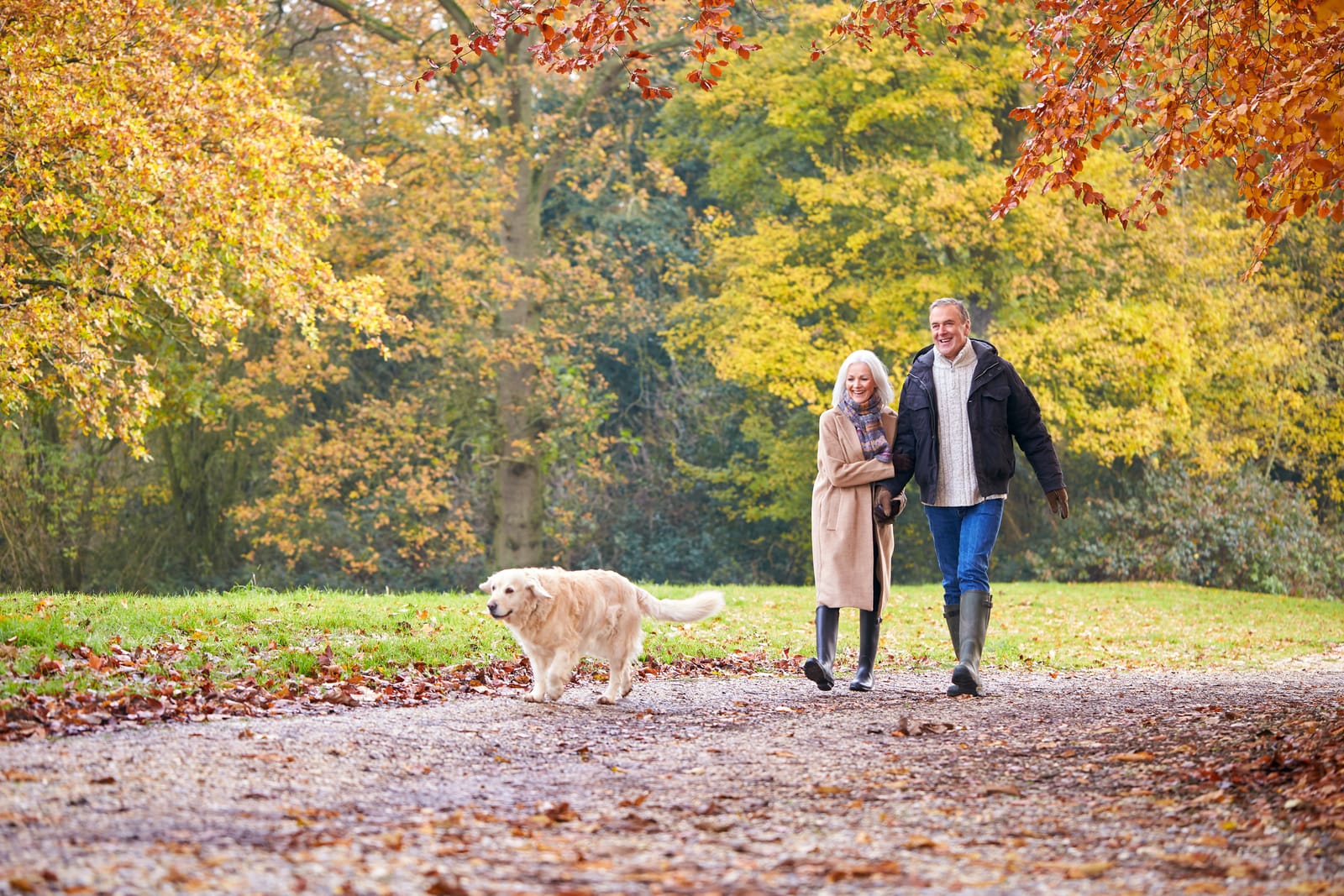
Falls Can Change Our Life
As we age, the risk of injuries from falls increases, making fall prevention a critical aspect of health. Falls can lead to severe injuries such as hip fractures, knee fractures, broken arms, dislocated shoulders, head injuries, and sprains. The results of a fall are not just physical; they can also have emotional impacts. One fall can make us afraid of falling again. This fear of falling can reduce confidence in our abilities and limit independence.
Check Your Risk
Fall prevention should be a priority for everyone aged 60 and older. Knowing the signs of increased fall risk is crucial. If you find yourself furniture walking, that is, using furniture for support when walking around your home, that’s a sign you’re at risk of falling. Is it hard to stand up from a chair, or do you find it difficult to walk around the community and in the home? All these can mean we are more likely to take a spill.
Fall Test
A quick test can show you your fall risk. It is called the TUG test, Timed Up and Go (TUG). This test shows our fall risk. You will need a chair, a timer, and a helper! Don’t do it without help.
-
Mark a distance of 10 feet from a secure chair.
-
Start by sitting back in the chair.
-
Once your helper starts the timer, stand up from your chair, walk 10 feet, and then walk back to sit in your chair. Once you are sitting back in the chair, the timer should be stopped.
-
Repeat this 3 times.
Add up your 3 times, and if your time is 35 seconds or greater, you risk falling. If it is over 42 seconds, you have a higher risk of falling.
Hazard Zones
The bathroom and kitchen are the most likely places to fall in your home.
Bathroom
The bathroom is usually a small space where you have to switch directions. The bathroom presents a risk of slippery floors and tripping over the shower lips or bathtubs. Also, when nature calls, sometimes we need to rush to answer. The urgency to get to the bathroom makes falls more likely.
Kitchen
In the kitchen, you reach in all directions, shifting your weight from one leg to the other, carrying heavy pots/pans, and dealing with spills. These activities can cause us to lose our balance and fall.
Rest of the house
Other common tripping hazards in the home include throw rugs, poor lighting, clutter, pets under your feet, sock feet, and dizzy spells.
Outside the home
Sidewalk curbs are a common place to trip and fall. Also, watch for cracks and uneven sidewalks. Take extra care when walking on loose gravel, rocks, or uneven or slippery ground.
Prevent Falls in the Hazard Zones
Exercise
Fall prevention starts with exercise. Common types of exercises include leg exercises, core stability and balance activities. Leg exercises include squats, marches, kickbacks, bridges and calf raises to target large muscle groups in the legs. For core stabilization, exercises like bird dogs, planks, and side planks are beneficial. Safe balance activities include a leg stance or reaching across your body while using a sturdy surface for support, like the back of a chair.
Home Improvements
-
Remove throw rugs from your home to prevent tripping on them.
-
Install drill-in grab bars by your toilet and in the shower/bathtub area.
-
Use a shower chair or bench when bathing.
-
Wear non-slip footwear inside such as grippy socks or slippers with soles.
-
Keep a bathroom light on all night so you can see when you wake up at night to use it.
-
Highlight small steps in the house with brightly coloured tape.
-
Organize your kitchen so that commonly used items are within easy reach.
-
De-clutter hallways and remove tables and boxes.
-
Don’t leave extension cords lying around.
-
Make sure you’re wearing proper glasses or contacts to be able to see tripping hazards.
-
Make sure your furniture is the proper size for the space in your home to prevent creating small areas you have to squeeze through.
-
Train your pet to sit on a bed while you are busy in the kitchen.
Reach out to an occupational therapist for a personalized fall prevention program. An OT can do a home assessment to check your fall risk level and the best modifications for your home. Occupational therapists can also guide you through what exercises and activities you can do to improve your strength and balance.