Little Green Health Machines
Aztec alligator pears
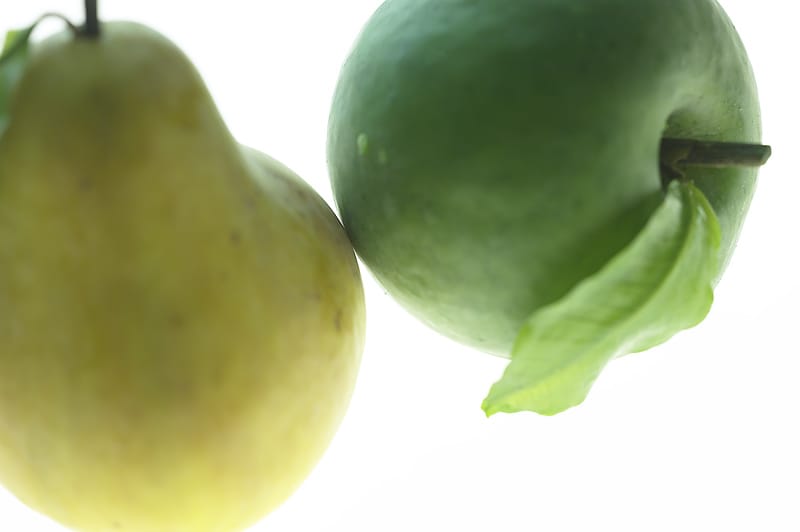
Avocados traces to the Aztecs who grew and ate them. The name also traces back to the Aztecs. They are sometimes called alligator pears because of their pebbly skin and shape. Spanish conquistadors mentioned avocados in their first reports on the New World.
Growing popularity
Avocado consumption doubled in Canada in the past 10 years. Canadians now eat almost 50 avocados per person per year.
Avocado trees
Avocados grow on tropical trees native to South America. The tree is related to the tree that provides the bay leaf spice. They have been cultivated for thousands of years. Today, Mexico is the leading producer of avocados. 95% of Canadian avocados come from Mexico.
Flowering strategy
Avocado trees have a unique way of flowering. Each tree has both male and female flowers, but the two sets of flowers don’t open at the same time. The trees come in two types: A and B. In type A, the female flowers open in the morning and the male flowers in the afternoon. Type B is the opposite. This flowering strategy prevents a tree from self-pollinating. It also means an orchard needs both types of trees to set fruit.
Varieties
The most common types of avocados include Hass, Fuerte, Bacon, and Pinkerton varieties. Each type has unique characteristics, such as size, colour, and flavour.
Hass
Most avocados sold are the Hass type. It was first grown in the 1920s by Rudolph Hass. It was the first patented fruit of any kind, although Mr. Hass made only $5,000 from the patent. The Hass avocado has a thick, pebbly skin and an oval shape with a creamy, buttery taste. The buttery flavour comes from the high fat content. The high fat content also makes the Hass the softest variety.
The seed of a Hass is roundish instead of teardrop-shaped like most other avocados. The skin of a Hass turns dark, almost purple when it is ripe. To test for ripeness, squeeze it gently. The fruit should be a bit soft but bounce back. If a dent forms, it should be eaten very soon.
Ripen avocados
Avocados don’t ripen on the tree. Unripe Hass avocados are green. They ripen about 1 week after they are picked. Ripe avocados only last a few days in the fridge. It makes sense to buy them before they are ripe. If avocados are not ripe, store them on the counter until they ripen. Don’t store unripe avocados in the fridge. Once avocados are refrigerated, they do not ripen properly. To speed up ripening, store them in a paper bag on the counter with a ripe banana. Once ripe, store them in the fridge crisper drawer. A fully ripe avocado only lasts a few days in the fridge.
Cutting avocados
Once cut, avocados turn brown quickly, similar to apples. Brown avocados are still safe to eat, but they don’t look tasty. To slow down the browning, wrap them tightly in plastic wrap to block oxygen from reaching the surface. Also, squeeze a bit of lemon or lime juice on them. This also works with stored guacamole. A thin layer of olive oil can also be used to seal the avocado to prevent browning. And keep it in the fridge. The cooler temperature slows the browning. A cut avocado can be stored this way for a few days.
Freeze them
If you have too many ripe avocados, you can freeze them. To freeze them, peel and seed them and mash them into a purée. Add a tablespoon of lemon or lime juice. Place into freezer bags and squeeze out the air. They can be stored for a few months this way. Thaw overnight in the fridge when you’re ready to use them.
Prep
Wash avocados before cutting to prevent the spread of bacteria on the skin. Then cut them in half from top to bottom. The seed will end up in one half. ‘Chop’ the seed with the long edge of the knife (not the point) to embed the knife in the seed. Then turn the blade like the hand of a clock to rotate the seed out of the avocado. The skin will come off a ripe avocado easily.
Avocado oil
Avocado oil can be used in cooking. It has a health profile similar to olive oil but offers a few advantages. It has a more neutral flavour, which can be better for some uses. It also has a smoke point that is 100 ℉ higher than olive oil. Oils shouldn’t be used above their smoke point.
Nutrition benefits
Healthy fats
Avocados are packed with healthy fats. They are one of the fattiest plant foods. If you don’t eat animal products, you almost have to eat avocados to get healthy fats. An avocado has about the same fat content as good meat, although the fat is a different type. The fats in avocados are primarily mono fats. There are 3 types of fat:
-
Saturated---fat that is solid at room temperature, for example, meat fat, butter, cream, coconut.
-
Unsaturated---not solid at room temperature and may reduce the risk of heart disease.
-
Mono---lowers bad cholesterol, reduces inflammation, and improves blood sugar levels.
-
Poly---also lowers bad cholesterol. Omega 3s are poly fats.
-
-
Trans---fats that occur in tiny amounts in some meat and dairy. Artificial trans fats are banned in Canada and the US.
Most of the fat in avocados is healthy mono fat---similar to the ones in olive oils. The mono fats combined with the fibre in avocados keep you full for a long time. This healthy fat also makes it easier for your body to absorb the vitamins in avocados.
Nutty health
Avocados have a nutrient profile that fills many holes in a standard diet. Their nutritional profile is closer to nuts than to most fruits or vegetables. They are high in vitamins A and E.
The C & E team
Avocados are also one of the few foods to contain vitamin C together with vitamin E. Vitamin C teams up with vitamin E to improve cholesterol. Avocados are also a good plant source of vitamin K and a good source of folate.
Potassium Powerhouse
Avocados have more potassium per gram than any other fruit. An avocado has almost twice the potassium of a banana. Most diets are low in potassium, which is important for controlling blood pressure.
Protective molecules
Among fruits and vegetables, avocados have the highest level of a particular type of protective compound: antioxidants that attach to fat. These protective compounds play a big role in protecting blood vessels. Some of these compounds also help with vision, including lutein and zeaxanthin. Both of these may help reduce the risk of age-related eye diseases such as cataracts and macular degeneration. These compounds are concentrated in the dark-coloured outer flesh. The particular fat and water profiles of avocados increase the absorption of these compounds by 2 to 5 times compared to most vegetables.
Cholesterol blockers
Avocados are also the best fruit source of compounds that block cholesterol absorption in the gut. These plant compounds, called phytosterols, help lower cholesterol by blocking cholesterol absorption from our food. Instead of picking up the cholesterol in foods, our guts pick up these plant compounds. This can improve heart health. These compounds are especially effective in avocados because their healthy fats strengthen their cholesterol-blocking action. Avocados have been studied in connection with heart health. An avocado a day reduces bad cholesterol and bad tri-fats.
Fibre-filled
Avocados have a lot of healthy fibre. Over ¾ of the carbs in avocados are in the form of fibre. Avocados contain more fibre per gram than any common fruit. A single avocado has a quarter to half a day’s total fibre.
Sugar lite
Avocados are a low-sugar fruit, and the form of sugar they contain is a type that does not raise blood sugar. Eating an avocado will not raise your blood sugar.
ASU for pain
Avocados also contain compounds that reduce inflammation. The vitamin E in avocados can help with inflammation. But avocados also have a special compound called ASU that is used to make an effective anti-inflammatory. ASU blocks inflammation pathways at the cell level. ASU is one of the most promising compounds for the treatment of arthritis. It may be one of the rare compounds that can actually help repair damaged cartilage.
Weight loss
While avocados have a lot of fat, especially for a plant, their unique profile of healthy mono fats and fibre makes them an effective part of a weight-control diet. Studies have shown that eating a whole avocado every day is compatible with weight loss. Likely, the fat and fibre keep you from getting hungry.
Making everything better
Avocados are packed with health benefits, and they taste great. Add an avocado to your diet. They make everything better.