Statins and Pain
Statins
Statins are the most popular type of drug. Statins include Lipitor, Zocor, Crestor and others, as well as the generic versions: atorvastatin, lovastatin, etc. Statins are used when bad cholesterol is too high. If your cholesterol level is over 5, the doctor will most likely recommend a statins type drug.
Check It
If you haven’t had your cholesterol tested and you’re over 40, you should check what your levels are. Statins have been shown to reduce the risk of heart disease by about 20%. But they, like all drugs, have side effects.
Pain Side Effect
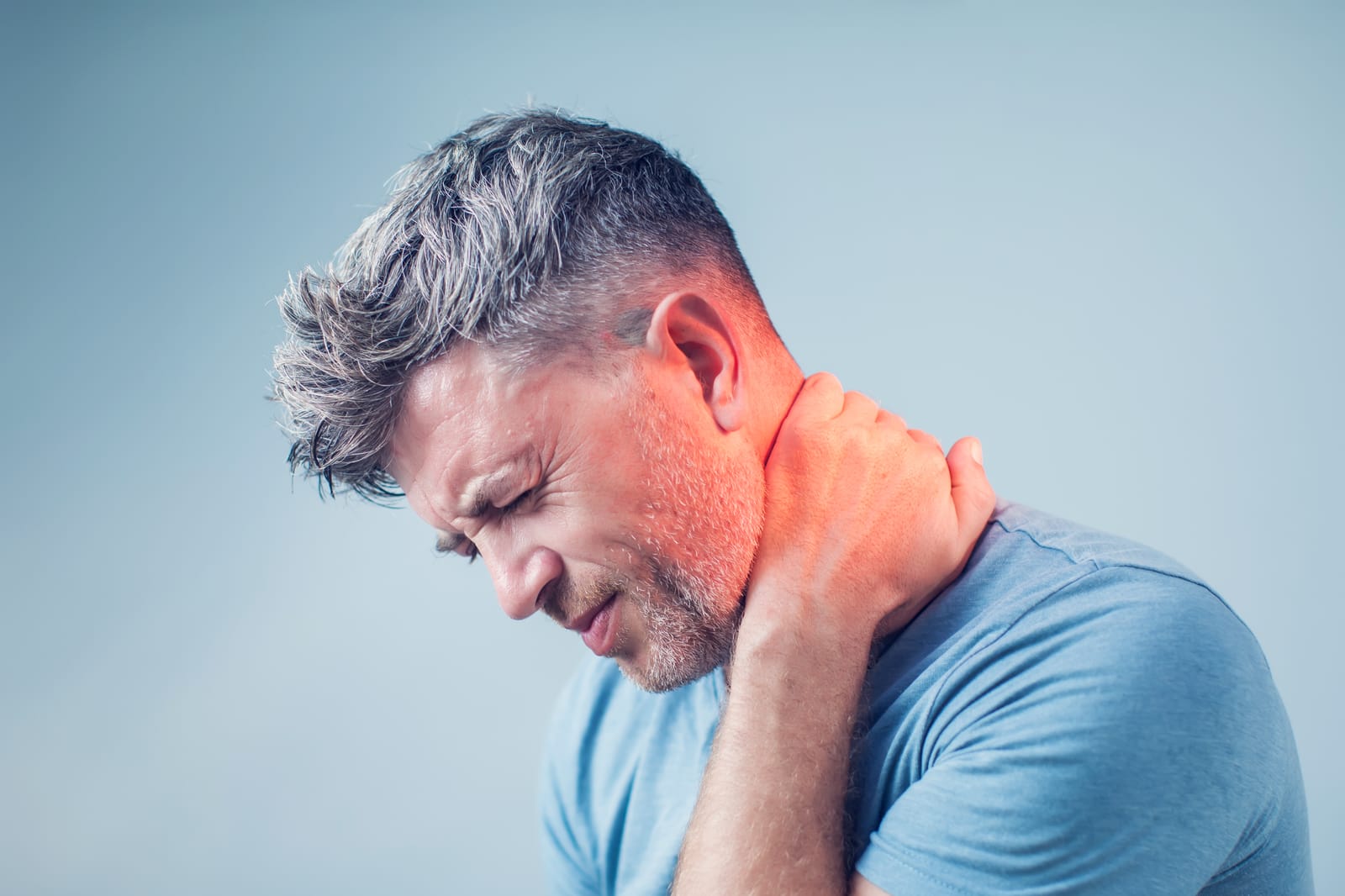
Muscle pain is the most common side effect of statins. It is most common for smaller people and is more likely in women. There is a gene that makes the muscle pain side effect almost 5 times more likely. Tests exist to see if you have that gene. In addition to muscle pain, statins can cause muscle weakness and, in rare cases, muscle damage.
Other Statin Side Effects
Statins can also, in rare cases, cause liver and kidney damage. Other potential side effects are an increase in blood sugar, and even memory loss and confusion. If you have any of these side effects, talk with your doctor.
What Causes the Muscle Pain?
Statins cause the leakage of calcium from some muscles. This leakage doesn’t affect the heart muscle. The heart has a protective mechanism that prevents the loss of calcium. Calcium helps muscles contract, and the calcium leakage is almost like having sore muscles from overuse.
How to Minimize Pain
The best way to minimize muscle pain with statins is to do mild exercise. An intense exercise program is discouraged when on statins as this may cause muscle damage. But mild exercise makes muscles more tolerant of losing some calcium. Still, avoid strenuous exercise as that could cause muscle damage.
Options
There are alternatives to statins. But the alternatives take more effort than simply taking a pill. Life choices can reduce your risk of heart disease as much or more than statins. Regular exercise and healthy eating with healthy habits can make statins unnecessary, but only with time and effort.
Move to Better Heart Health
The first alternative to cholesterol drugs is daily exercise. This can make a big difference, especially if it is regular. Aim for 5 sessions a week, such as brisk walking for 45 minutes per session. Add a couple of short workouts with push-ups and planks for the most benefit. Avoid extreme exercise, as that can make the muscle pain worse.
Fuel for Health
Diet also makes a difference. Avoid foods that have a lot of sugar or simple carbs, like white bread. Limit processed food to a minimum. If it comes in a box or a package, don’t eat it very often. Eat fruits and vegetables as well as nuts, especially almonds. A small handful of almonds a day is plenty and can help lower bad cholesterol and raise the good kind. But don’t eat too many, as nuts have a lot of calories. And, of course, limit smoking and alcohol.
It’s All Greek for Oil
Another diet trade you can make is using olive oil in place of butter. Olive oil can be used to make salad dressing and even for dipping your bread instead of buttering it. A study in the US found that replacing a half tablespoon of butter with olive oil every day reduced the risk of heart disease by 15%.
Level Up D
Also, it is a good idea to take Vitamin D, especially in the northern parts of Canada, where it’s hard to get enough sun in the winter. CoQ10 is another supplement that may help keep your heart healthy. Your body produces its own CoQ10, but as we age, our levels go down. There is some CoQ10 in foods, but it’s difficult to get enough through food. If you have heart issues, CoQ10 can be a worthwhile supplement.
The Omega Point
Omega 3 is another supplement that can reduce the amount of free-floating fat in your bloodstream that tends to clog arteries. Omega 3 doesn’t lower your cholesterol but can improve heart health. Get it from eating fish, such as salmon or tuna, at least twice a week, but if you don’t like fish, take a good omega 3 supplement.
Take Up Beta
Another excellent supplement for cholesterol is Beta-Sitosterol. Beta-Sitosterol is a natural compound from plants. It is known as a plant sterol. Basically, it’s a plant version of cholesterol that your body takes up, which limits the uptake of harmful animal cholesterol. Take one gram a day, which is usually 2 capsules.
Own your Health
There are other drug options as well as things like Niacin. Be sure to have an open conversation with your doctor about your plans. Ask for his or her advice, but remember, it is your body and your life. You get to choose, and you get to act in your own best interest. Own your health.