Bone Voyage
It’s All Greek
The disease that thins our bones is called osteoporosis. The word comes from the Greek word for “bone” (osteo) and “voyage” (poros). As we age, bones go on vacation. Instead of being strong and resilient, they get brittle.
Calcium Stores
Bones get weak if they are low on calcium. They store a lot of the calcium we eat. In fact, if we don’t eat calcium, our bones start pulling calcium out of storage. The calcium level in our blood is managed by our bones. If it’s low, the bones add some from storage. If it’s high, the bones store it. Calcium is required in many body processes.
Bone Factories
In the centre of the larger bones is the bone marrow. This is where blood cells are made. Bone marrow makes 200 billion (yes, with a b) new red blood cells every day. The marrow also makes white blood cells that are an important part of the immune system. Marrow also makes platelets that help your blood clot when you get cut. Sometimes as we age, our marrow factories don’t work as well. This can put a dent in the immune system or cause other problems such as anemia --- which is the lack of red blood cells to carry oxygen around your body.
Mesh Network
Although bones may seem solid, except for the marrow, they are not. They are actually a network of strands, almost like a honeycomb. When you get osteoporosis, the spaces between the fibres get larger, and the bone fibres become thinner.
Bones Age
Our bones are at peak strength when we are about 30. After that, their strength starts to decline. We lose about 4% each decade. At menopause, women’s bones lose 4% of their density per year. Essentially, bone loss at menopause is 10 times the normal loss. This loss continues for about 5 years and then slows down. This bone loss is due to the decline in estrogen. Estrogen helps build strong bones. The stronger your bones before menopause starts, the better.
Light Bone Risk
More than one third of women in their 50s have low bone density. Low density is the pathway to osteoporosis. Men are also at risk for osteoporosis, but the risk is lower. About 1 in 5 people with osteoporosis are men.
The Breaks
The danger of osteoporosis is that weakening bones lead to fractures. The bones most likely to be affected by osteoporosis are the spine, wrists, and hips. These bones have shapes that make them more likely to fracture if they are weakened. This risk of fracture is pretty high. Almost half of women over 50 will break a bone because of osteoporosis. Not only that, women over 50 are more likely to die from fracture complications than breast cancer.
Back Breaking
More often than not, a fracture of the bones in the spine has no symptoms. Compression fractures can happen in the spinal column vertebrae without any symptoms. When people do have symptoms, they start as a sharp, pointed pain that is worse when it bears weight. For any spine fractures, chronic back pain can result.
Central Link Fracture
Hip fractures are particularly troubling. Almost no one under 65 breaks a hip. The risk of hip fracture increases with age. And men are not immune, 1 out of 3 hip fractures happen in men. A broken hip can have complications, and often, after breaking a hip, mobility can be limited. The activities of daily life become difficult.
Measure It
Bone density can be measured with a test called a DEXA scan. It is recommended that women over 65 and men over 70 get a scan. Loss of bone density doesn’t show up on X-rays until about 30% of bone mass is lost.
Mineral Measures
It is also important to measure your levels of calcium, potassium, magnesium, and vitamin D. These minerals and vitamins are important for bone health, and being low in any one of them can lead to problems. A blood test can tell you your levels of each.
Prevention
Keeping muscle mass is important to slow the progress of osteoporosis. That means exercise. Certain prescription drugs can slow the loss of bone strength. Both smoking and alcohol have a tendency to weaken bones, so restrict both.
Exercise
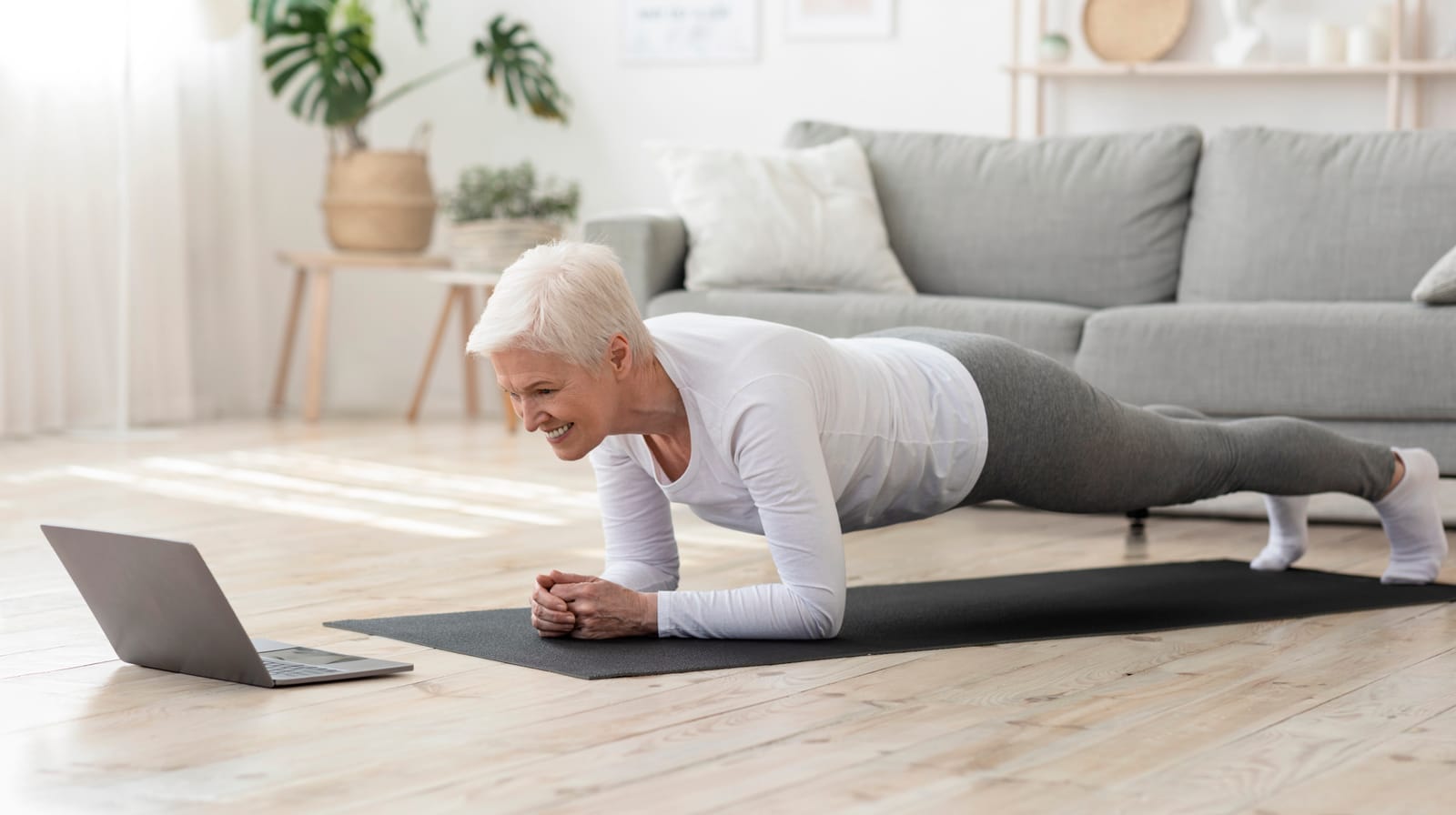
Exercise is one of the best ways to strengthen bones. Bones that are not worked become weaker. Your body seems to use resources only where they are needed. If bones never get loaded, your body’s construction foreman shifts resources away from those bones. This is why astronauts get weaker bones when they are in zero gravity for a while. They lose 1% to 2% of bone density each month in space.
Muscle Support
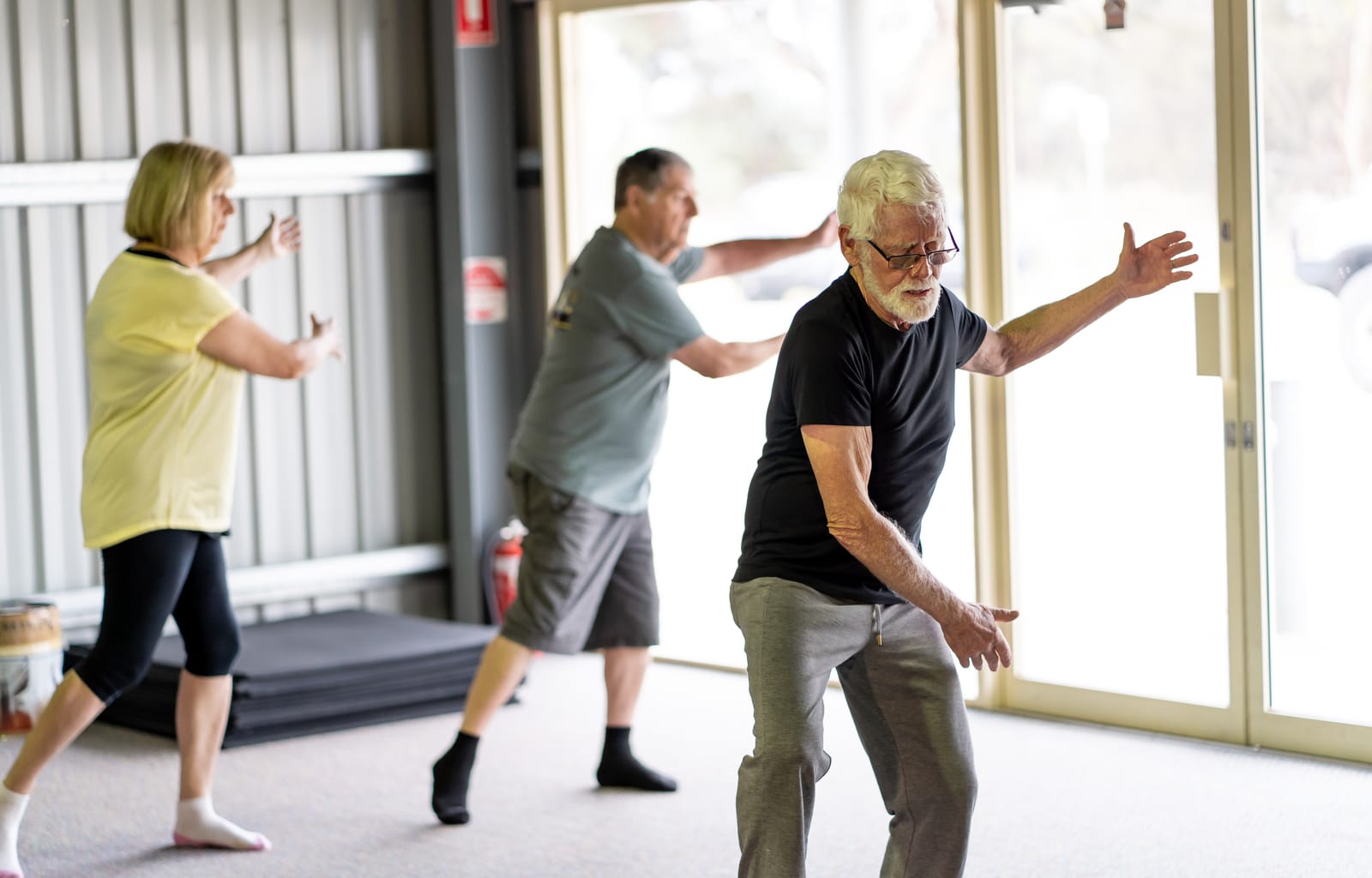
Even when your bones are weaker, strong muscles can support the bones and prevent some fractures. Try to do at least 30 minutes of exercise 5 times a week. Brisk walking is a good place to start. It’s also important to do some strength training to keep your muscles strong. Bones need to be loaded with weight to stay strong.
Don’t be a Fall Guy
If you are a bit older and suspect that you might have some lost bone strength, make sure to make your living space safe from falls. Always sit in stable chairs, preferably with armrests, avoid loose rugs, and keep wires away from walking areas. Breaking a bone at 70 or older can come with serious results.
Load Up on Calcium
It is important to get enough calcium in your diet so that the bones don’t have to run down their stores to keep your body going. If you are at high risk for weak bones, it is a good idea to take a calcium supplement. Everyone should get 1,000 mg of calcium per day. Women over 50 should increase that to 1,500 mg. Most of the calcium in our diet comes from milk, yogurt, and cheese. There are other foods with calcium, such as broccoli and kale. Still, it is difficult to get enough calcium without dairy. A woman over 50 needs to drink a glass of milk, eat a serving of yogurt and eat a serving of cheese every day to get the minimum daily required calcium.
Calcium Tablets
Because it is difficult for many people to get enough calcium in food, especially if you don’t eat much dairy, a calcium tablet is a good backup. Ideally, take a 500 mg tablet with each meal. The citrate form of calcium is easier for your body to absorb, but the carbonate works as well and tends to be cheaper. One thing to watch with calcium carbonate is it is more likely to stop you up. As with most supplements, more is not necessarily better. If you drink a glass of milk daily and eat other dairy, you may only need one tablet per day. One thing to watch for is some foods, like cereal, have added calcium, so take that into consideration.
CalMag Combo
Calcium tablets often come combined with magnesium. That is because calcium and magnesium work together to build strong bones. So if you take 1000 mg of calcium, you might consider adding 350 mg of magnesium. Generally, avoid tablets with more than 350 mg as it is possible to get too much magnesium. Magnesium in foods comes primarily from whole grains and seeds, dark green veggies, and nuts. Most people don’t get enough in their diet, so consider adding a magnesium tablet to your day. Magnesium can also help you sleep, so you can make it part of your bedtime routine. Magnesium citrate is a well-absorbed type, but it can be a bit of a laxative, which can be good or bad depending on your regularity.
Vitamin D
Vitamin D is also important for bone strength. Without vitamin D, bones can’t use calcium. As we age, our body produces less vitamin D on its own, and we have more trouble absorbing it from foods. And in Canada’s northern climate, it is difficult to get enough sun on enough skin. A good option then is to take a vitamin D pill. 1000 units a day is a good dose.
Hormonal Help
For women around menopause, taking estrogen pills might help maintain bone density. However, taking estrogen increases the risk of breast cancer, so be sure to talk about the benefits and risks with your doctor.
No Bones About it
Strong bones become more important as we age. There are three easy steps you can take to help your bones.
-
Get enough calcium,
-
Take vitamin D and,
-
Exercise to keep your bones strong.