Micro Farming
Care and Feeding
The bacteria that live in our gut, specifically in the large intestines, have a big impact on our health. Millions of microbes help us digest food and fight against disease. These beneficial bacteria need care and feeding. We are all farmers of our own gut farm.
Gigantic Gut Galaxy
Because bacterial cells are so small, there are more bacteria cells in our body than cells that belong to us. Our gut contains trillions of bacteria. There are as many bacteria cells in us as there are stars in the Milky Way. Our first healthy bacteria comes from our mothers, but they are also controlled by our genes. Our DNA influences our gut bacteria types. Most of the bacteria live in the large intestines (the colon), with a few in the end of the small intestines.
Gut Farm Operations
Digestive Genius
Gut bacteria play key roles in extracting nutrition from our food and even in the production of vitamins. They assist in cholesterol management and blood sugar control. They also have an influence on weight gain and inflammation. Healthy gut bacteria reduce harmful micro-inflammation, which is linked to many health problems. Of course, digestive diseases are influenced by gut bacteria, but so are immune diseases and diabetes.
Gut-Mind Connection
Gut bacteria are also linked to mental health problems, such as depression and even Parkinson’s and Autism. The gut farm connects to the brain via the Vagus nerve (see Winter 2020 Panacea). The gut bacteria can also impact the brain through chemical signals dropped into the bloodstream. The connection between our gut and our mind is closer than we are led to believe. Gut feelings are more real than we realize. Our body is one interconnected whole.
Energy Signals
The bacteria in our gut also send chemical signals to our cells, particularly to their energy centres. In fact, our fitness level can be measured by looking at our gut bacteria. The energy centres of our cells play key roles in ageing. These energy centres in our cells are key factors in diseases such as Parkinson’s, Crohn’s, and diabetes. The gut bacteria likely affects disease processes through the cell’s energy centres.
Ageing Gut
Change in our gut farm also relates to ageing. As we age, our gut farm gets smaller, and the variety goes down. Researchers can guess your age within 4 years just by looking at your gut farm. Keeping it healthy can help you age more gracefully. Changing our gut farm may be a key part of our aging process, especially the loss of muscle strength.
Gut Farm Team
The gut farm is all about balance and teamwork. There can be up to 1,000 different kinds of bacteria in your gut farm. Although they are single-celled organisms, they work in teams. A single bacteria has a difficult time surviving, but they can survive harsh environments in a large group. Also, once they are in a team, their behaviour changes. They talk to each other using signal molecules.
Anti-Gut Farm
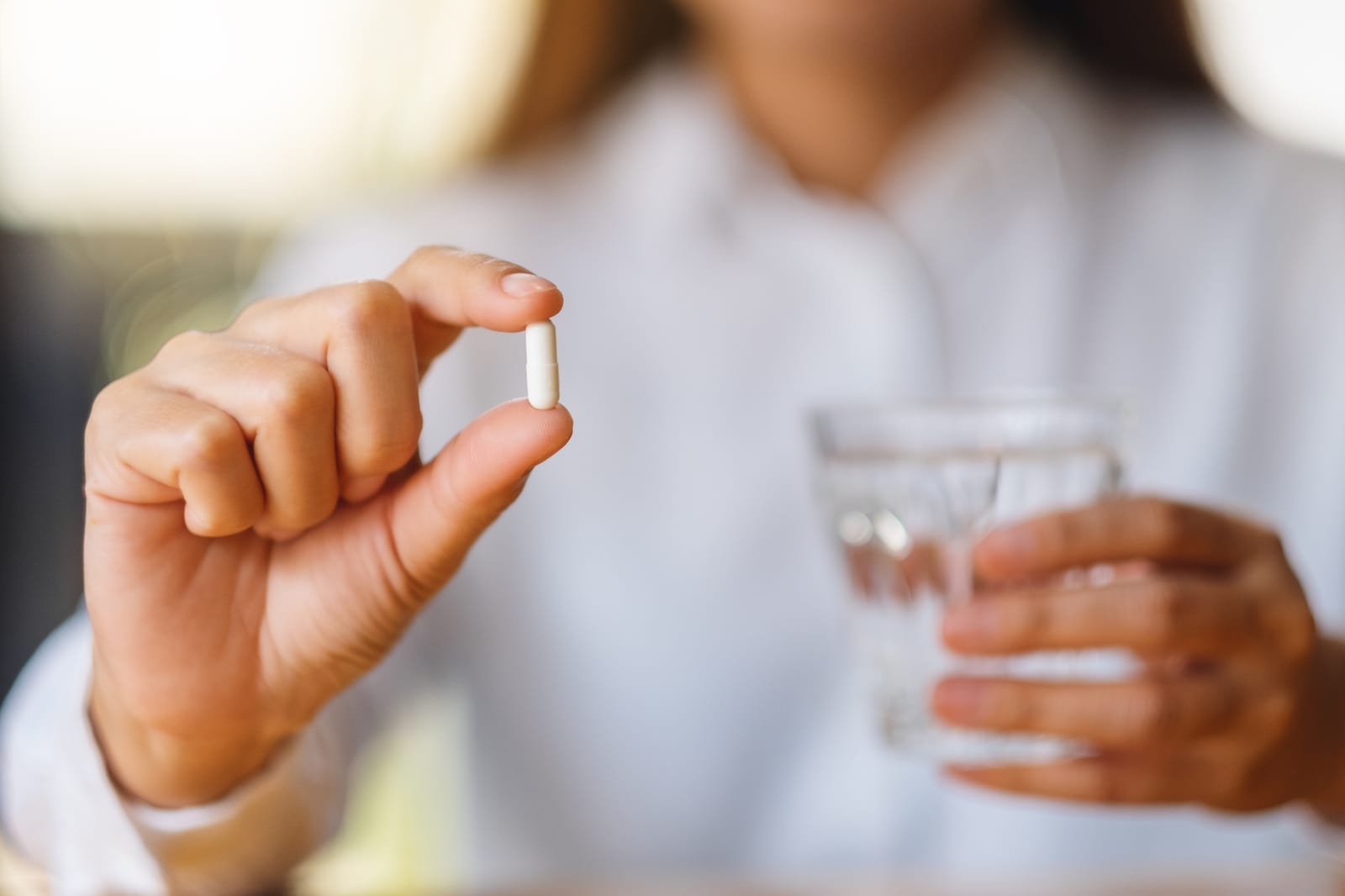
Thankfully, we have antibiotics like penicillin. Very often, they can be a lifesaver. But don’t take antibiotics if you don’t need to. For example, don’t take antibiotics for a cold. They don’t work against viruses. Antibiotics attack the gut farm. If you have to take antibiotics, replenish your gut farm by taking a probiotic. A probiotic is a capsule with live bacteria. Sounds odd, but it will help your gut. Make sure they are high quality and have been stored properly. If they are stored in a place that is too hot, they will be dead and dead bacteria don’t help. Also, fresher is better. Check the expiry date on the probiotic.
Farm Defense
Having a healthy gut farm can also fight off infection. When the gut farm is weak, harmful bacteria can multiply. Certain drugs can weaken the gut farm as well. Proton pump inhibitors (PPIs) to control stomach acid, metformin for diabetes, and even laxatives can damage your gut farm. That doesn’t mean you should stop taking them, but you may want to add a probiotic.
Gutriculture
Bad Diets
A bad diet hits your gut farm hard. A high-fat, high-sugar diet is the worst. Donuts are bad for your gut in more than one way.
Yogurt
Yogurt is a good way to get helpful bacteria as it usually has several different types. Be sure you are buying real yogurt made with milk, not a yogurt substitute. Often, a good yogurt will mention something about probiotic levels.
Fibre
Switch to Fibre
Healthy gut bacteria survive on fibre. That is their food. After two weeks on a high-fibre diet, your gut bacteria are noticeably healthier. But don’t switch from a low-fibre to a high-fibre diet overnight. If you suddenly eat large amounts of fibre and don’t have the gut farm to process it, you’ll feel bloated. You should work towards a high-fibre diet, which means whole grains, fruits, vegetables, and nuts. In general, healthy, whole food---the kind that is good for you anyway. Avoid refined flours and sugars.
Kinds of Fibre
Fibre is the part of a plant that you can’t absorb. There are two main kinds of fibre. Those that can be dissolved in water called soluble, and those that can’t, insoluble. Some soluble fibre can be broken down and used in the large intestines, the last stop in digestion after the stomach and small intestines. Insoluble fibre tends to come from whole grains. Plants contain an insoluble fibre in their cell wall called cellulose. Cellulose adds bulk but can’t be used to feed your gut farm.
Starving Gut Damage
A healthy gut farm keeps the bad bacteria at bay. When you starve your gut farm, you have fewer kinds of good bacteria and fewer of them. Also, when there is not enough fibre for the gut farm to feed on, they start working on protein molecules. When they do this, they produce bad byproducts that are known to cause colon cancer. So keep your gut farm well-fed with the right kind of fibre.
Fibre Diversity Play
It’s also good to get fibre from various foods to allow the different types of healthy bacteria to thrive. You want to keep many types well-fed. Having fewer types of gut bacteria is linked to weight gain, so make variety the fibre of your life. When you change your diet, it can take 6 weeks to get your gut farm in shape.
Pectin
Another type of soluble fibre that is good for your gut farm is pectin. Foods with the most pectin are apples, pears, plums, bananas, peaches, strawberries, raspberries, blackberries, apricots, and oranges. For vegetables, peas, carrots, green beans, potatoes, and tomatoes. In many fruits and vegetables, the pectin is in the peel. You will often find pectin added to jams as it thickens the texture. Pectin might be why an apple a day keeps the doctor away. It has been shown that adding two apples a day to your diet greatly strengthens your gut farm.
Prebiotics
Prebiotic is a name given in 1995 to fibre that your gut farm can use as food. (As opposed to probiotics that are the bacteria). They are usually a soluble fibre that is fermentable, which means your gut farm can break it down and use it. Good sources of prebiotics are oats, apples, pears, bananas, flaxseed, onions, garlic, and almonds.
Exercise Your Gut
Exercise also has an influence on gut bacteria. This again demonstrates that everything we do affects everything we are. What we eat, how we exercise, how we sleep, our attitude---everything is related.
Inner Farmer
To take care of your health, you have to tend to your inner farm. Millions of helpful bacteria aid in digestion, keep diseases at bay, and even help improve your mood. Don’t forget to feed the little guys in your gut.