COVID Update
COVID is part of our future. We have to find a way to live with it as we live with the flu. For the foreseeable future, every year, people will die from COVID. COVID has been about 5 times as deadly as the normal flu in Canada. In the future, with widespread vaccines, deaths may drop to the same level as the flu or about 5,000 people per year.
Getting COVID
Getting COVID usually requires being within 3 ft of an infected person for 15 minutes while inside. Less than 1 in 100 COVID cases are caught outdoors. It is difficult to get COVID from a surface—not impossible, but unlikely. If you touch a surface infected with COVID, you have a 1 in 10,000 chance of getting infected. This is not a big concern, but you can pick up other germs this way, so good hygiene is good practice. If two fully vaccinated people meet inside, there is only a 1 in 400,000 chance of getting COVID.
Vaccine Updates
No vaccine is 100% effective, but the COVID vaccine prevents over 97% of bad outcomes compared to being unvaccinated. Based on information from the US CDC, less than 1 in 100 vaccinated people get COVID. Of those people, ⅓ had no symptoms. So far, it is unknown how long the COVID immunity lasts. It likely lasts a year or maybe much longer. We may need a booster vaccine at some point, but that is currently unknown.
Blood Clot Risk
Both the Johnson & Johnson and the AstraZeneca vaccine have a risk of blood clots somewhere between 1 in 80,000 and 1 in a million. But COVID also has a blood clot risk. About 1 in 10 COVID patients in the ICU develop blood clots.
Variants
Viruses Change
Variants are changed forms of the virus. When someone is infected, the virus copies itself. So far, there have been 200 million cases of COVID worldwide. In each infected person, the virus makes more than million copies of itself. That means there have been over 200 trillion copies of the virus. Every once in a while, the copy is not perfect, and the virus changes slightly. Most COVID variants make the virus less potent, but a few make it more infectious. When it is more infectious, it passes more easily from person to person or can hide from the immune system longer.
The Big Four
Variants are concerning for 2 reasons.
-
Faster spread because they are more infectious.
-
Potentially more serious outcomes.
Four main variants are spreading in Canada. These variants have several changes (mutations). Many of the changes are the same for different variants.
-
The UK Variant, or B.1.1.7 (20I/501Y.V1). Emerged Sep. 2020. This variant seems to be more infectious, so it spreads faster. It also seems to increase the risk of hospitalization or death slightly. By far the most common variant in Canada.
-
The South African, or B.1.351 (20H/501Y.V2). Emerged Oct. 2020. Slightly more infectious. Vaccines are slightly less effective.
-
The Brazil variant, or P.1 (20J/501Y.V3). Emerged Jan. 2021. It seems to be about twice as infectious.
-
The Indian variant, or B.1.617. The so-called double mutant emerged Dec. 2020. It seems to be more infectious. Not common in Canada yet.
The vaccines work against all of them with excellent results, limiting serious outcomes in all known variants.
Limited in Number
The good news is there are limited possible variations. Because the COVID virus has instructions to make only 29 different proteins, the number of changes is limited. The virus has only so many tricks up its sleeve. The same variations are happening in different countries.
COVID Outcomes
Long COVID
For some people, the effects of COVID can last for months. About 1% of those who get COVID have symptoms that last longer than a month. But for a few, the symptoms last 6 months. The symptoms can be fatigue, shortness of breath, and even mental fog. After hospitalization, almost half of COVID patients have symptoms longer than 90 days. These kinds of longer-term symptoms are common in any serious respiratory infection such as pneumonia. And with those who have lingering symptoms, vaccinations seem to help.
Death Rates
COVID has killed millions worldwide --- more than any flu. Based on US data, COVID has been much deadlier than the flu for some age groups. For those under 20, COVID has a lower death risk than the flu. Based on Nov. 2020 data from Stats Canada, all COVID deaths under 45 involved pre-existing conditions.
At around age 55, the risk of death from COVID climbs sharply. For the older age groups, COVID is 10 times as deadly as the 2018 flu outbreak. If you are over 70 and you get COVID, you have about a 1 in 10 chance of dying from it --- not a small risk.
The Lost Years
A measure called years-of-life-lost calculates the average years lost to early death caused by a disease. For example, if a 30-year-old dies from a disease and the average life expectancy is 80, the years-of-life-lost would be 50. You can’t do this calculation for individuals, but one can estimate the average lost years of life for a population. The estimated average years of lost life for COVID is 7-10 years. This is true even though the average age at death from COVID is around 80. The average 80-year-old has a life expectancy of 8 years.
Lost Years Compared
In Canada as of January 2021, COVID had one and a half times the lost years of life as the flu. Globally, COVID deaths caused 10% more lost years of life than car accidents. But that doesn’t account for a full year of COVID deaths. To be fair, we can double those rates. Even doubling the COVID deaths, 4 times as many years of life are lost from heart disease. Don’t lose focus on heart health!
5% Excess Deaths
For 2020 in Canada, the overall death rate was 5% above normal. That includes all deaths from COVID and the lockdowns. In BC, for example, it includes accidental overdose deaths that are 20% higher than COVID deaths over the past 12 months.
COVID Treatments
Vitamin D
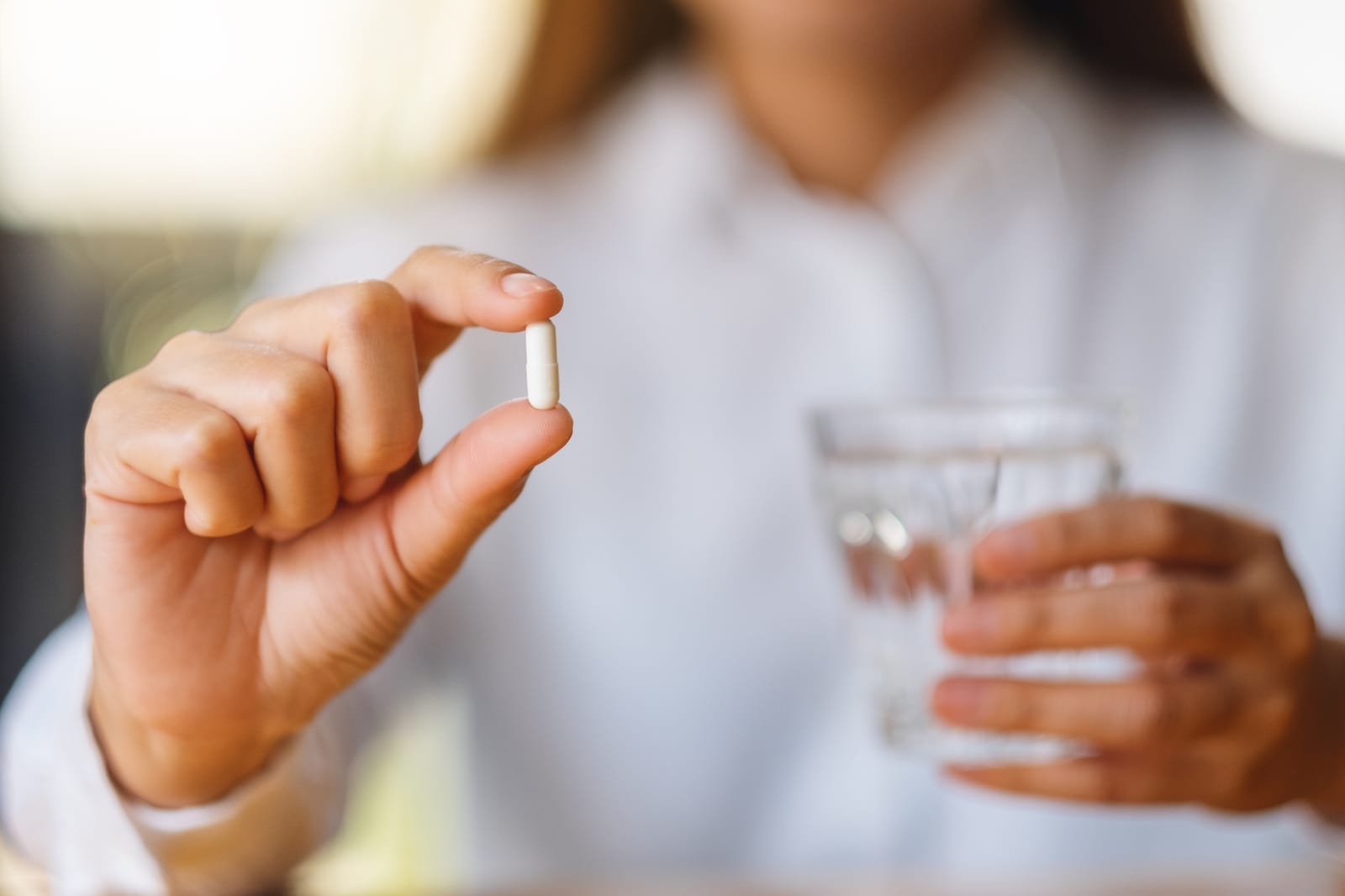
Those low in vitamin D have a higher chance of dying from COVID. About 80% of people who test positive for COVID are low in vitamin D. In one study, vitamin D was given to some patients when first admitted to the hospital. Of those who received vitamin D, only 2% ended up in the ICU compared to 50% for the non—vitamin D group. It was only a small study of 76 people, but the results are promising. Research is underway to see if taking vitamin D can reduce the risk of COVID. Taking vitamin D is known to lower your risk of viral infections. Adding a 1,000 IU vitamin D pill to your daily routine might make sense.
Zinc
If you are low in zinc, you will likely have a weak immune system. Zinc is a key component in building antibodies. There is also some evidence that those with adequate zinc levels have better COVID outcomes. If you eat red meat, you likely have enough, but if not, it may be worth taking a zinc supplement. But don’t overdo it. Too much can interfere with other minerals.
Antibody Therapies
An option for those at high risk of bad COVID outcomes is antibody therapies. Ideally, therapy is started as soon as you get a positive test. They don’t work well after hospitalization. It is a prescription therapy that can only be administered under the supervision of a doctor. If you are high-risk and test positive for COVID, talk to your doctor right away.
COVID Pill
Researchers are working on a pill that you could take as soon as you test positive. It would improve outcomes from being infected. It will be more than a year before it is available, but if it works, it could make a big impact.
Future
Fear
One potential problem with the now more than a year-long battle against COVID is the fear of returning to normal. Some are so afraid of going outside or meeting with people that it interferes with life. It is important to keep the risks in balance. There is no zero-risk life. We have to accept some risk to enjoy life. If you or someone you love struggles with getting back to normal, talk to a counsellor.
Live Hopefully
We know we will have to live with COVID from now on. And it is not impossible for a new virus to make an appearance, but don’t live in fear of the worst case. Live each day as a gift.