Health Notes
More than DNA
We have all heard of DNA, the genetic code. It is the genes we inherit from our parents. But DNA doesn’t explain all inherited traits. Of course, the mother’s environment and health matter to the health of the child. But the father’s health and environment before conception also create traits that are passed on. This shifts the story that all our inherited traits come only through DNA.
Previously, it was thought that DNA is essentially unchangeable. We pass on the same DNA we received from our parents. It gets combined with the other parent’s DNA to create a new child. There is always a chance of random changes to DNA during this combination. These accidental changes are called mutations. This new discovery is not about mutations.
It turns out that the father’s health and environment before conception get passed on ‘genetically.’ Some proteins travel along with the DNA that carry information about how the father lived. These proteins seem to affect which genes are turned on and which ones are not.
How this process works is not understood. It is another area where there is more to the story --- there always is. But genes are not fate. We can live better, richer lives than our DNA would determine.
Vitamin D and P
To pee or not to pee, that is the question. When you have an overactive bladder, the answer is unclear. Also, when pee starts to make its own decisions as to when to let go, it’s aggravating. These bladder problems often come with ageing. Often doctors don’t offer much help besides a drug that may or may not work and has big side effects.
Pee is turned on and off by a muscle. The muscle doesn’t contract to keep the pee in. It actually contracts to let the pee flow. With an overactive bladder, this muscle contracts when it shouldn’t.
This muscle responds to vitamin D levels. Not only does vitamin D seem to help with overactive bladder, but it also helps with bladder leakage. Not only that, low vitamin D levels are linked with bladder cancer.
The question becomes, to D or not to D. Given the many health benefits of vitamin D, the answer is clear: D. It makes sense to take vitamin D, especially in northern countries with less intense sunlight and long winters. Urine health with vitamin D ☺.
Aspirin and gut cancer
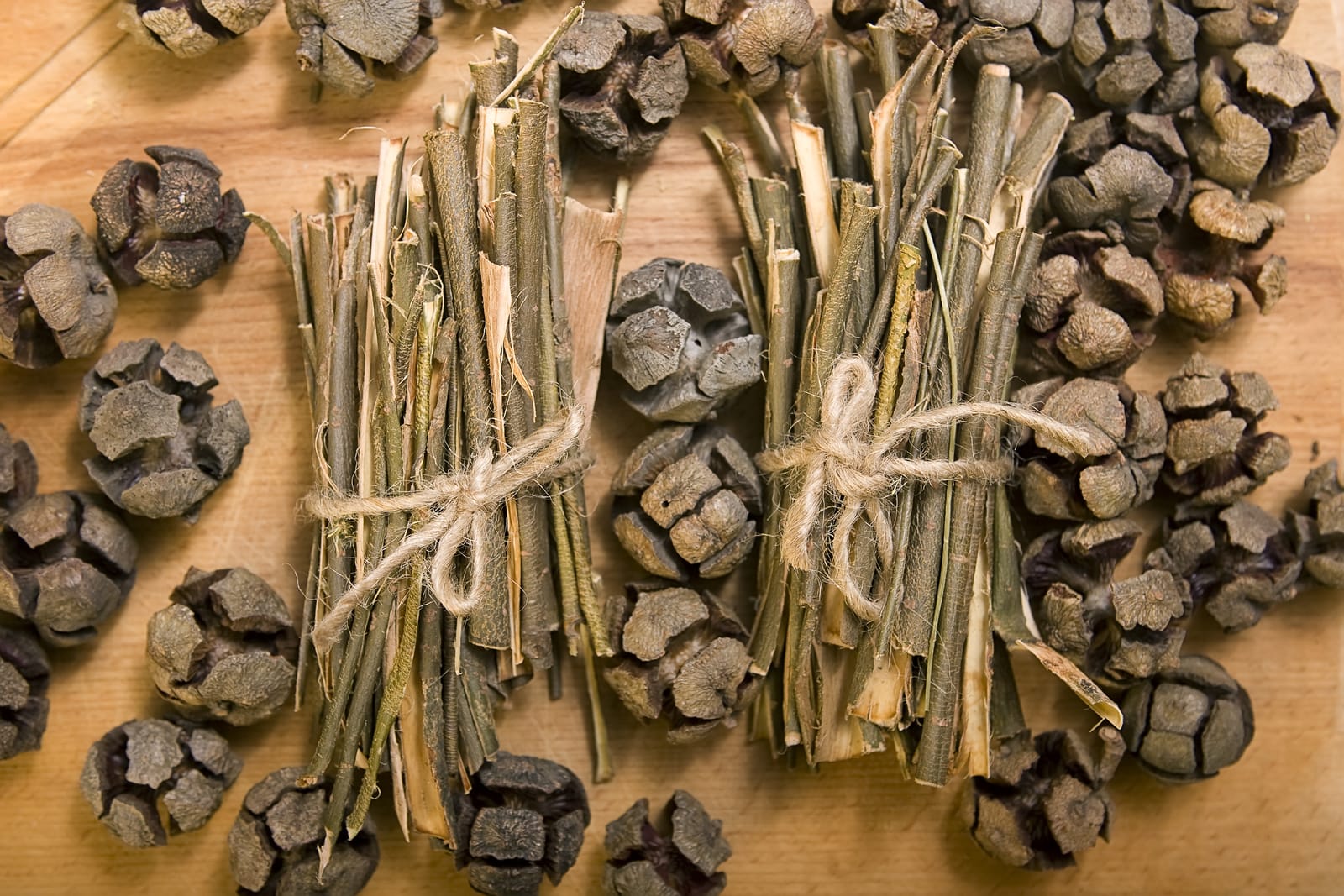
Aspirin has a long history, at least in its natural form of white willow bark. It is one of the oldest drugs. Recently, it has been found that aspirin reduces the risk of cancers of the digestive tract, including cancers of the colon, stomach, pancreas, liver, and others.
Over several years of taking a low dose or an even higher dose of aspirin, the risk of digestive cancers is reduced by 20% to 40%. This is not a small reduction. This is a significantly lower risk of cancer.
The cancer risk kept lowering the longer one took aspirin. After one year, the risk was slightly lower, and the risk kept falling for 10 years.
It is not just one study that reports these results. Many large studies show that aspirin reduces the risk of digestive cancers.
A giant study of 250,000 patients shows that aspirin reduces the risk of death if you already have cancer by 20%. That is a big difference.
The optimal dose for reducing cancer risk is still being investigated. And taking aspirin can be dangerous, especially if you are taking other drugs. Aspirin is also known to cause stomach bleeding and is linked with thousands of deaths a year. Check with your doctor before going on an aspirin program.