Is Your Body Rusting Away?
It’s been said that the damage free radicals do in the body is like rust eroding metal. The longer unprotected metal is exposed to oxygen, the more rust erodes the metal through oxidation. In much the same way, free radicals inside the human body’s cells can lead to oxidation within the cells, damaging the cells like rust damages metal, which may lead to sickness and various illnesses.
Another way to visualize oxidation taking place is to recall what happens to apple slices when exposed to air. After only a short while, the fruit begins to brown. That’s oxidation. To prevent against oxidation within cells, nutritionists recommend adding antioxidants to one’s diet. Antioxidants are chemicals found in foods that work to prevent cell damage caused by oxidation within the cells.
Free radicals are the culprits causing oxidation within cells. Put simply, free radicals are everywhere: in the air we breathe, in the food we eat, and even in sunlight. For the most part, the body can handle the presence of free radicals. But when the body’s ability to counteract oxidation caused by free radicals is overwhelmed, the resulting damage is called “oxidative stress”.
To protect against the oxidative stress caused by free radicals, antioxidants rich foods can and should be consumed. Antioxidants can interact with free radicals and stop the damaging reactions before damage is done to cells. Vitamins C and E, and minerals selenium and manganese, are all antioxidants. Two plant compounds, beta carotene and lycopene, also work as antioxidants.
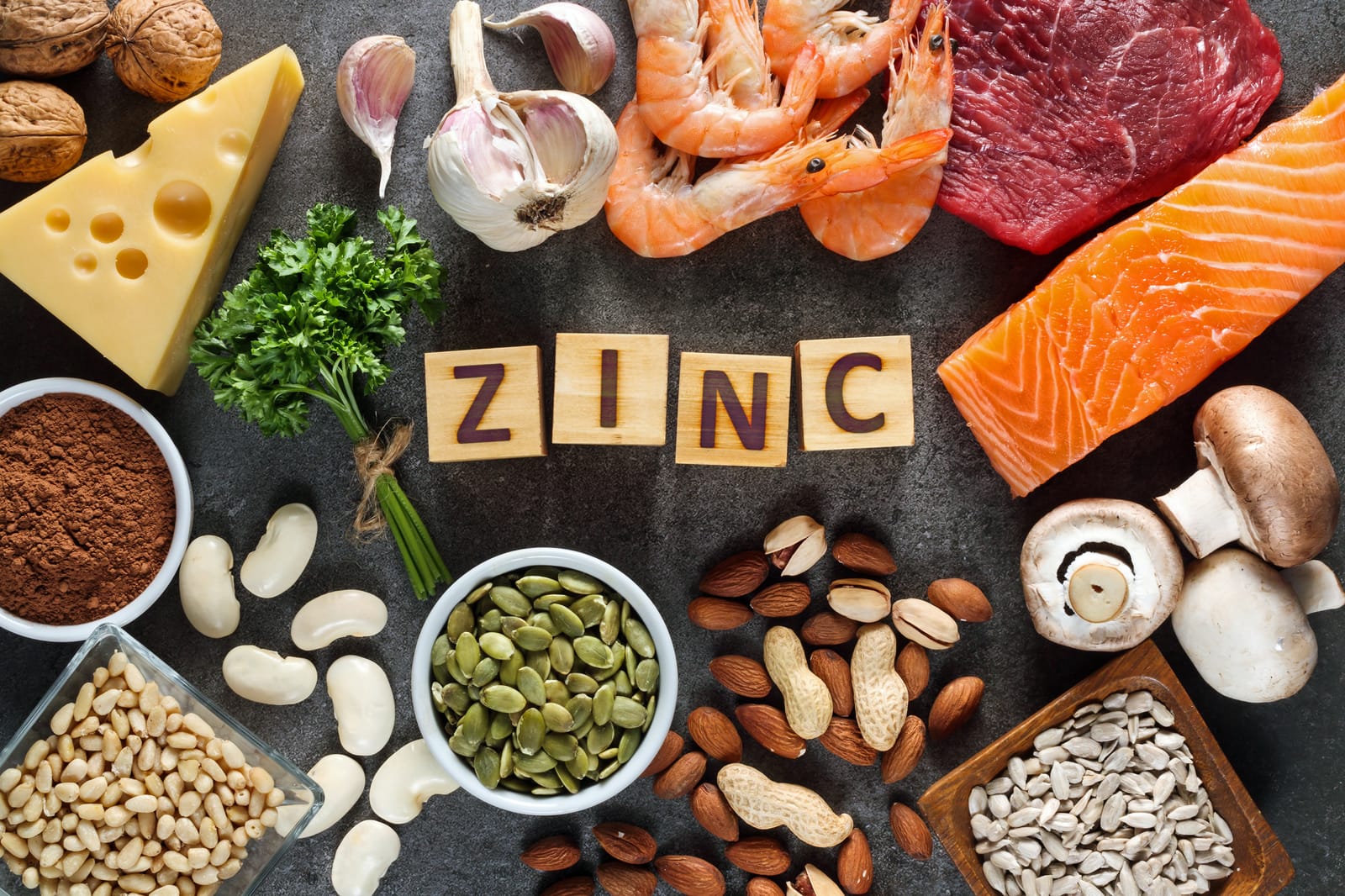
Likewise, certain foods are higher in antioxidants than others. The names for some antioxidants are: carotenoids, flavonoids, and isothiocyanates, reservatrol, and tannins. Carotenoids are found in deeply pigmented foods such as leafy greens, carrots and sweet potatoes. Flavonoids are consumed when fruits, vegetables, whole grains, and wine is consumed. Flavonoids are found in fruits such as apples, apricots, blueberries, grapes, pears, raspberries, and strawberries. They’re also found in vegetables such as beans, cabbage, celery, onions. Isothiocyanates are found in broccoli, cauliflower and brussel sprouts. Reservatrols can be located in red and purple grapes and their wines, as well as peanuts, blueberries and cranberries. Lastly, tannins can be obtained by eating pomegranates, persimmons, nuts, lentils, and green teas.
Making sure your body has what it needs to effectively fight oxidation and cell damage is extremely important. And it all begins with maintaining healthy eating habits. So choose your food wisely and get plenty of natural antioxidants.